CHAMBER OPERA
c. 20 MINUTES
c. 20 MINUTES
premiere • 2024-01-21 @
BIBLIOTECA DE MARVILA, LISBON/PT •
commission • MUSICAMERA PRODUÇÕES •
event • FESTIVAL CRIASONS IV •
text • ROSÁRIO COSTA & JOÃO RICARDO •
stage director • ÉLIO CORREIRA •
baritone • DIOGO MENDES •
dancers • CARLA RIBEIRO, DANIEL MARCHÃO & RUI MIRANDA •
QUARTETO LOPES GRAÇA
violin • LUÍS PACHECO CUNHA •
violin • SÍLVIA MARTINS •
viola • ISABEL PIMENTEL •
cello • CATHERINE STRYNCKX •
lighting design • ANABELA GASPAR •
photography • ANDRÉ ROMA •
press • DAMARIS LIMA •
commission • MUSICAMERA PRODUÇÕES •
event • FESTIVAL CRIASONS IV •
text • ROSÁRIO COSTA & JOÃO RICARDO •
stage director • ÉLIO CORREIRA •
baritone • DIOGO MENDES •
dancers • CARLA RIBEIRO, DANIEL MARCHÃO & RUI MIRANDA •
QUARTETO LOPES GRAÇA
violin • LUÍS PACHECO CUNHA •
violin • SÍLVIA MARTINS •
viola • ISABEL PIMENTEL •
cello • CATHERINE STRYNCKX •
lighting design • ANABELA GASPAR •
photography • ANDRÉ ROMA •
press • DAMARIS LIMA •
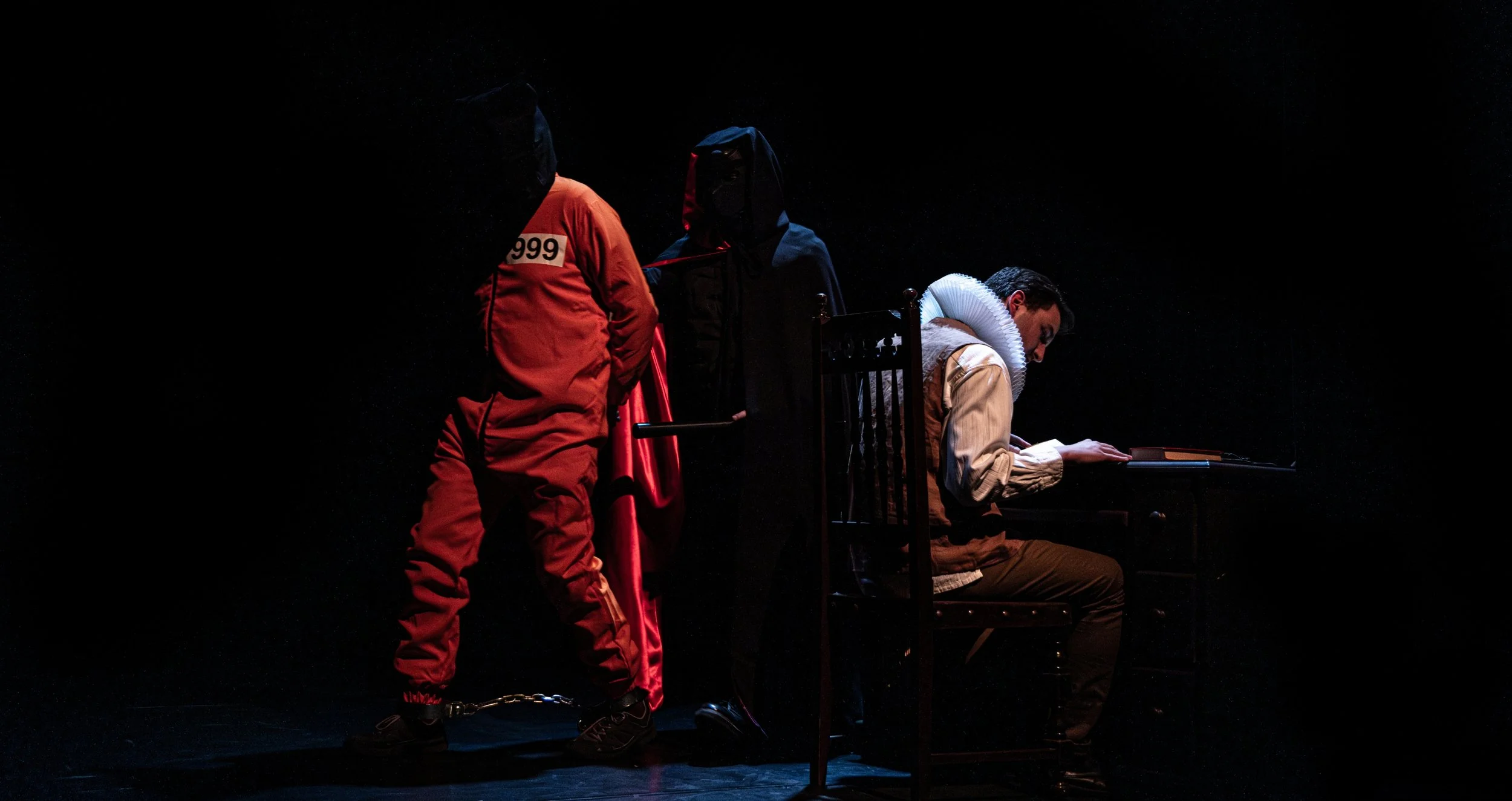
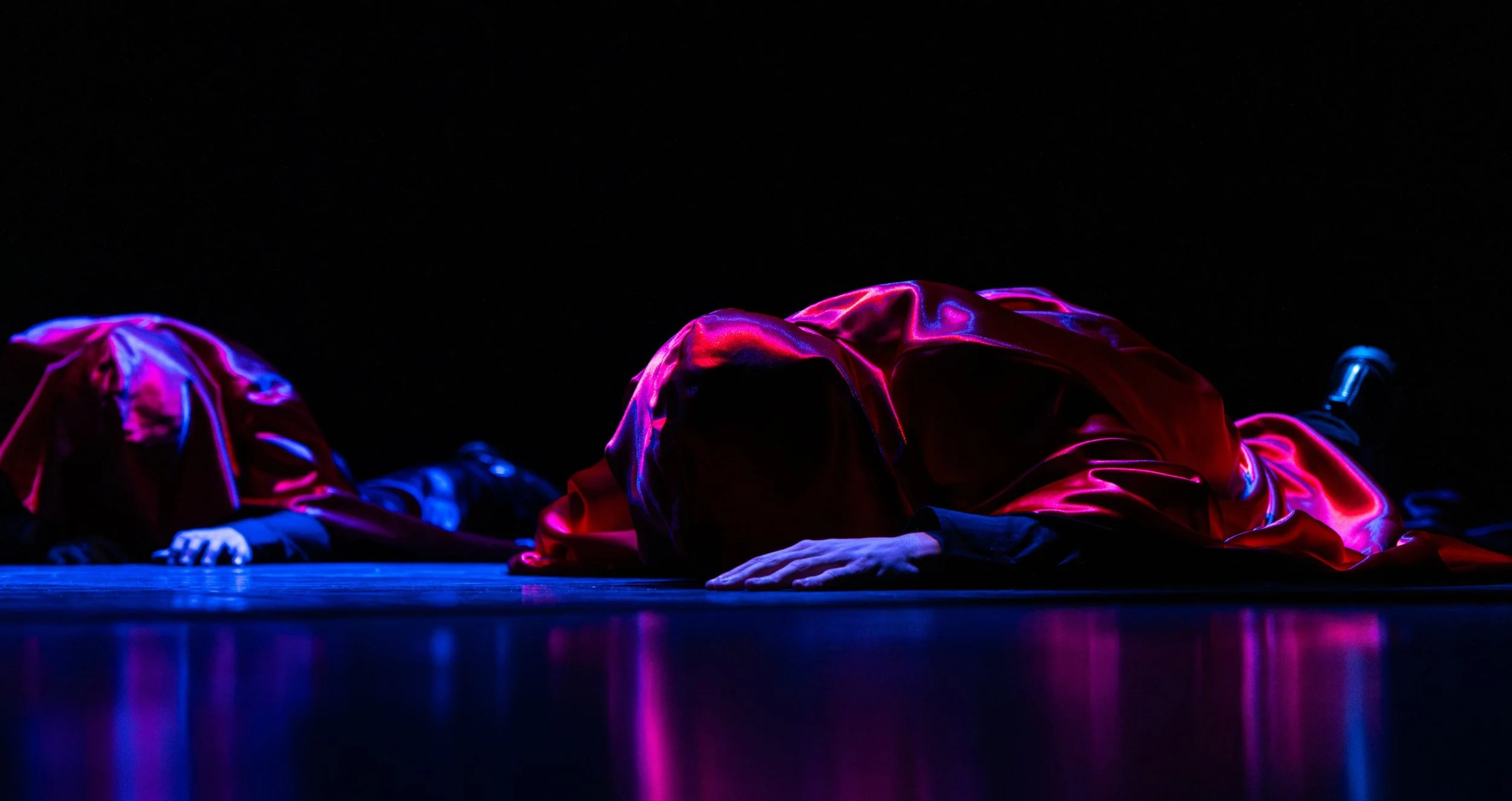
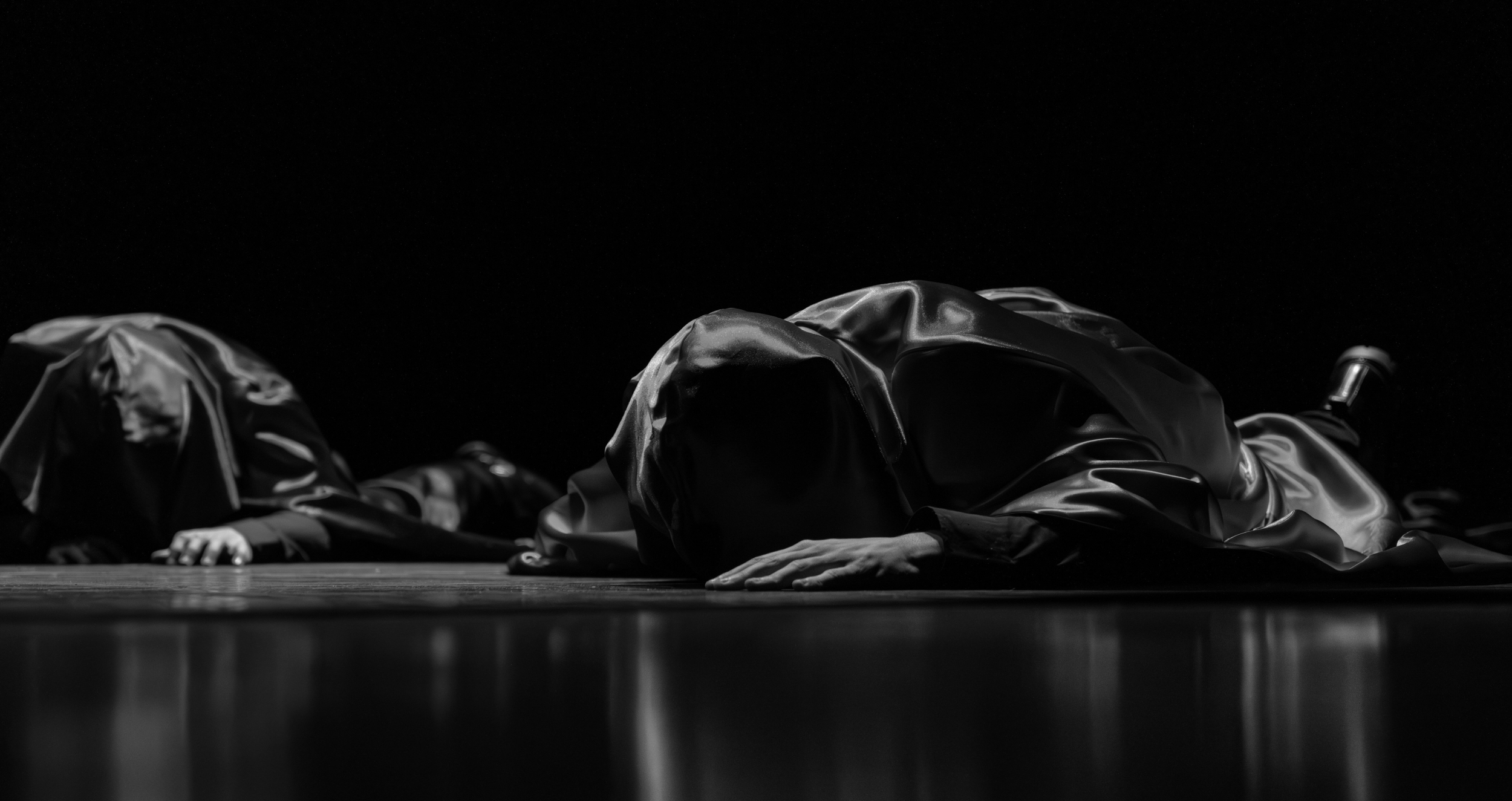
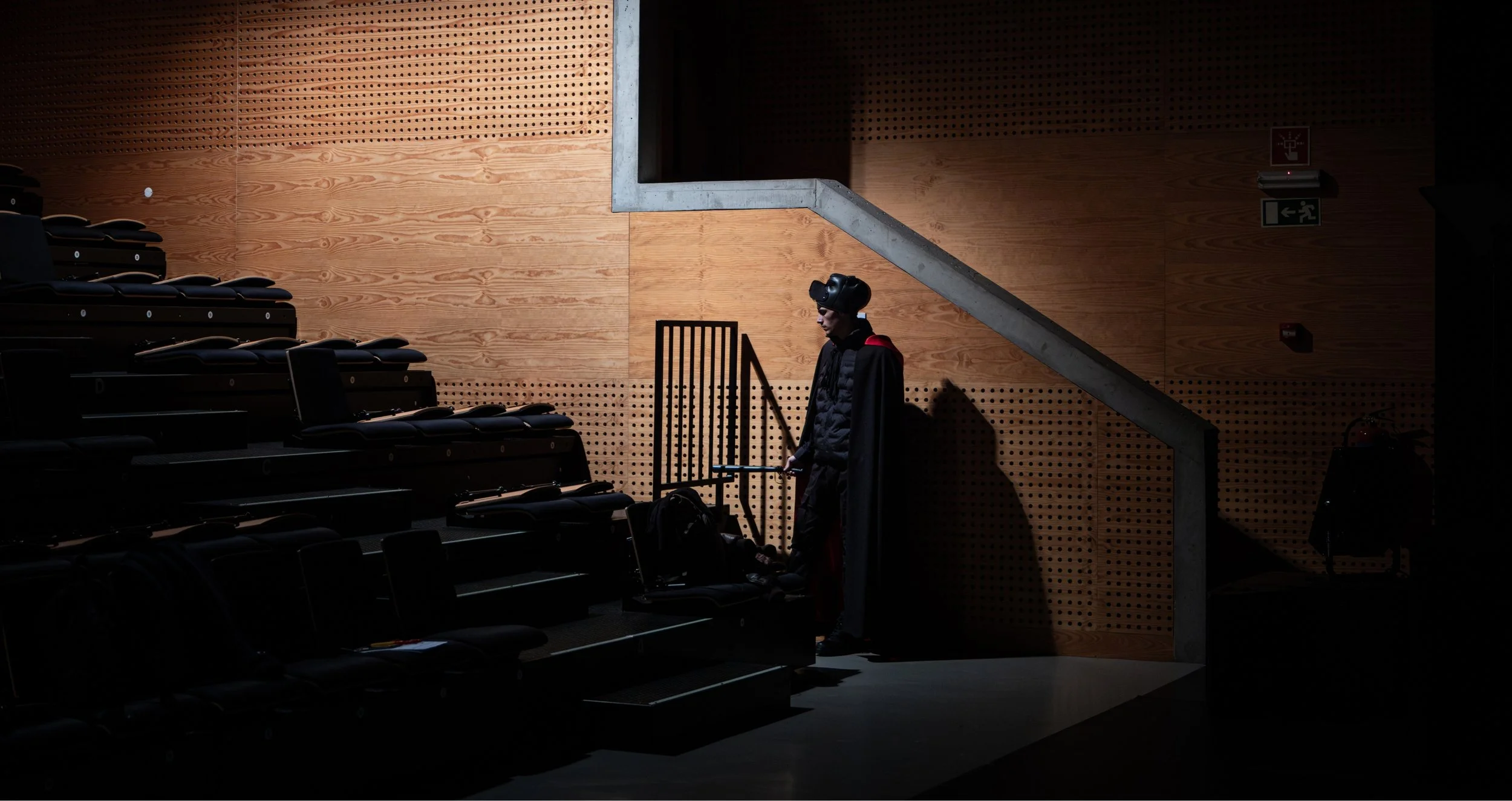
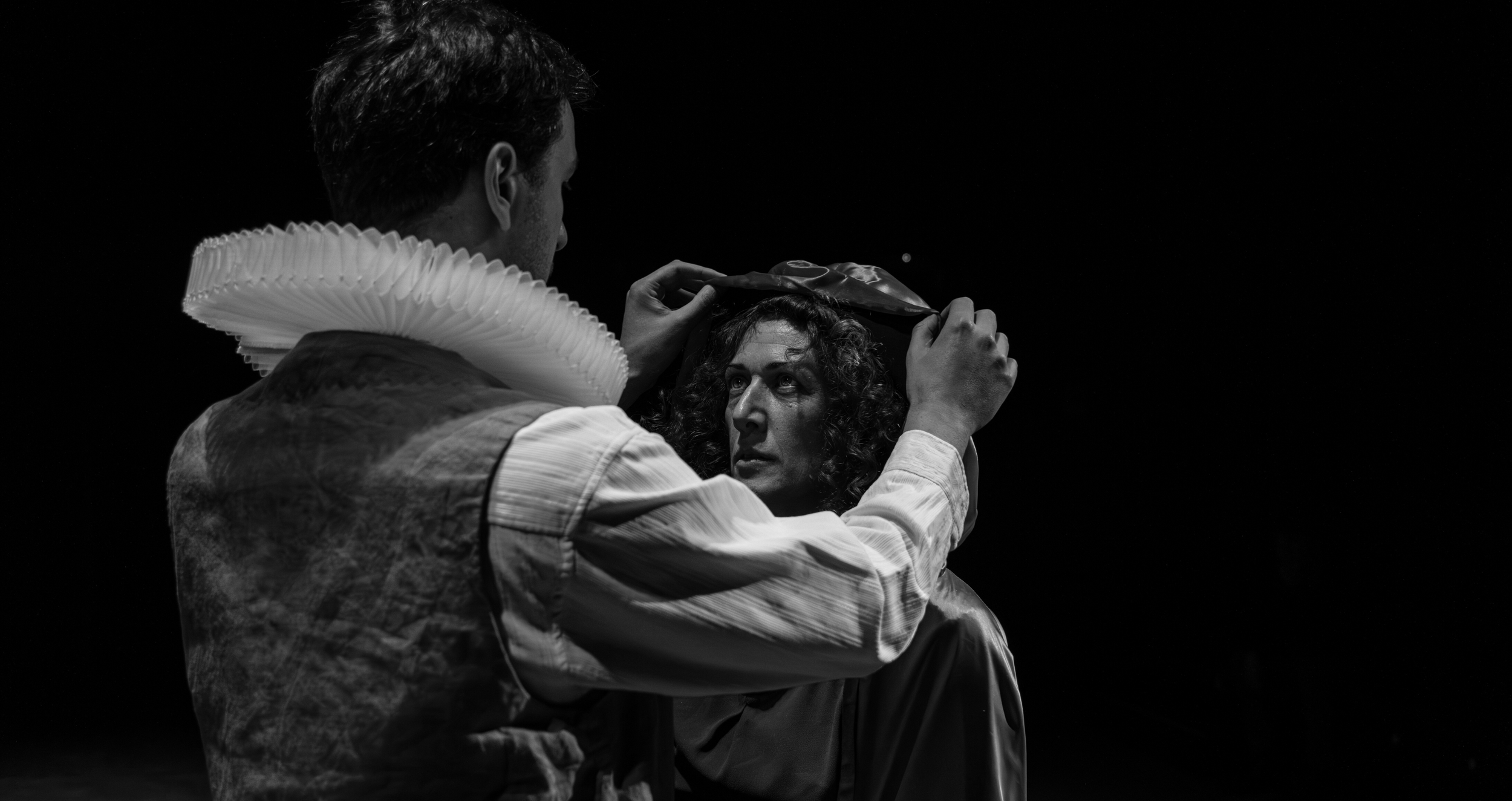
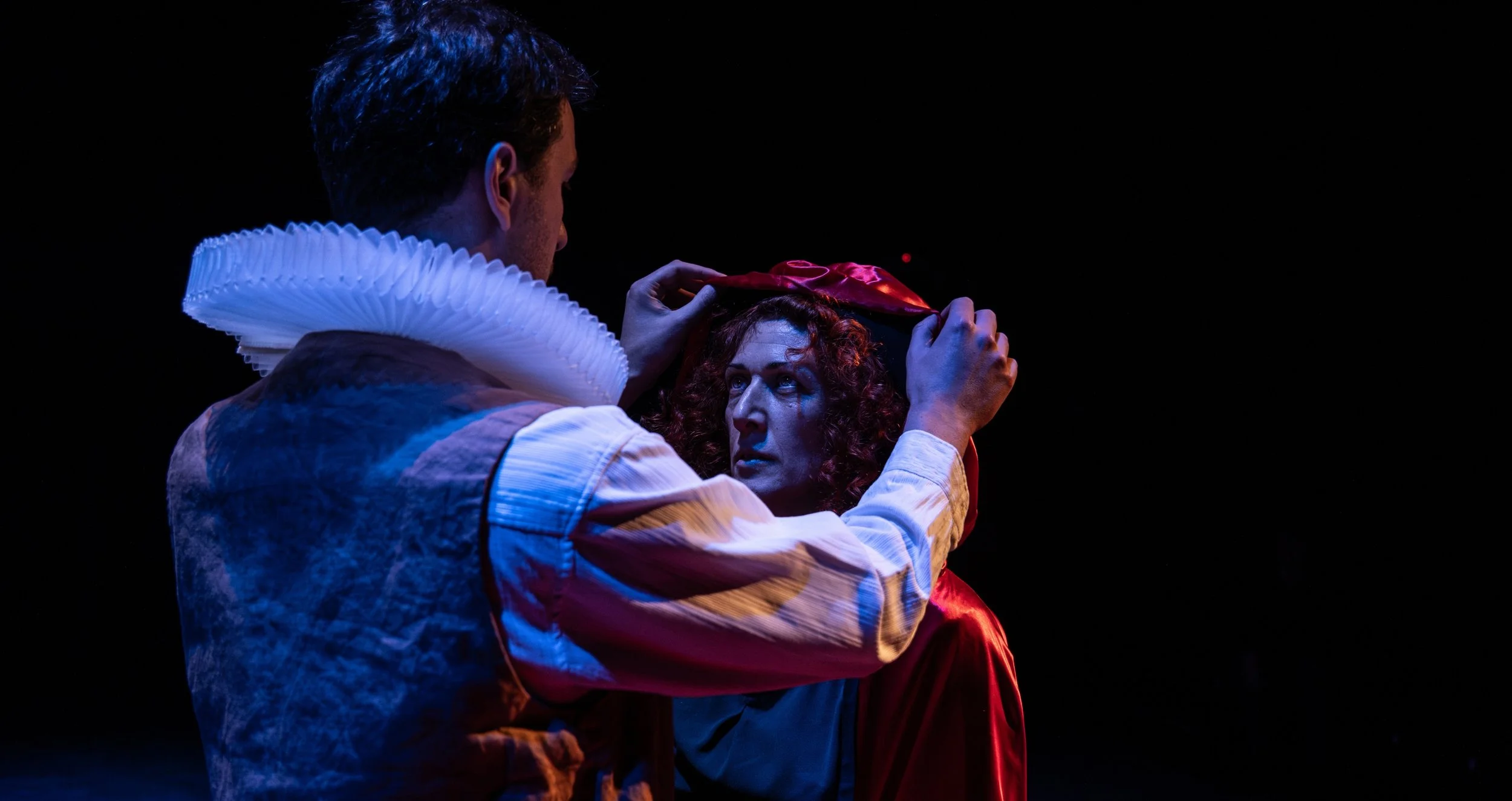
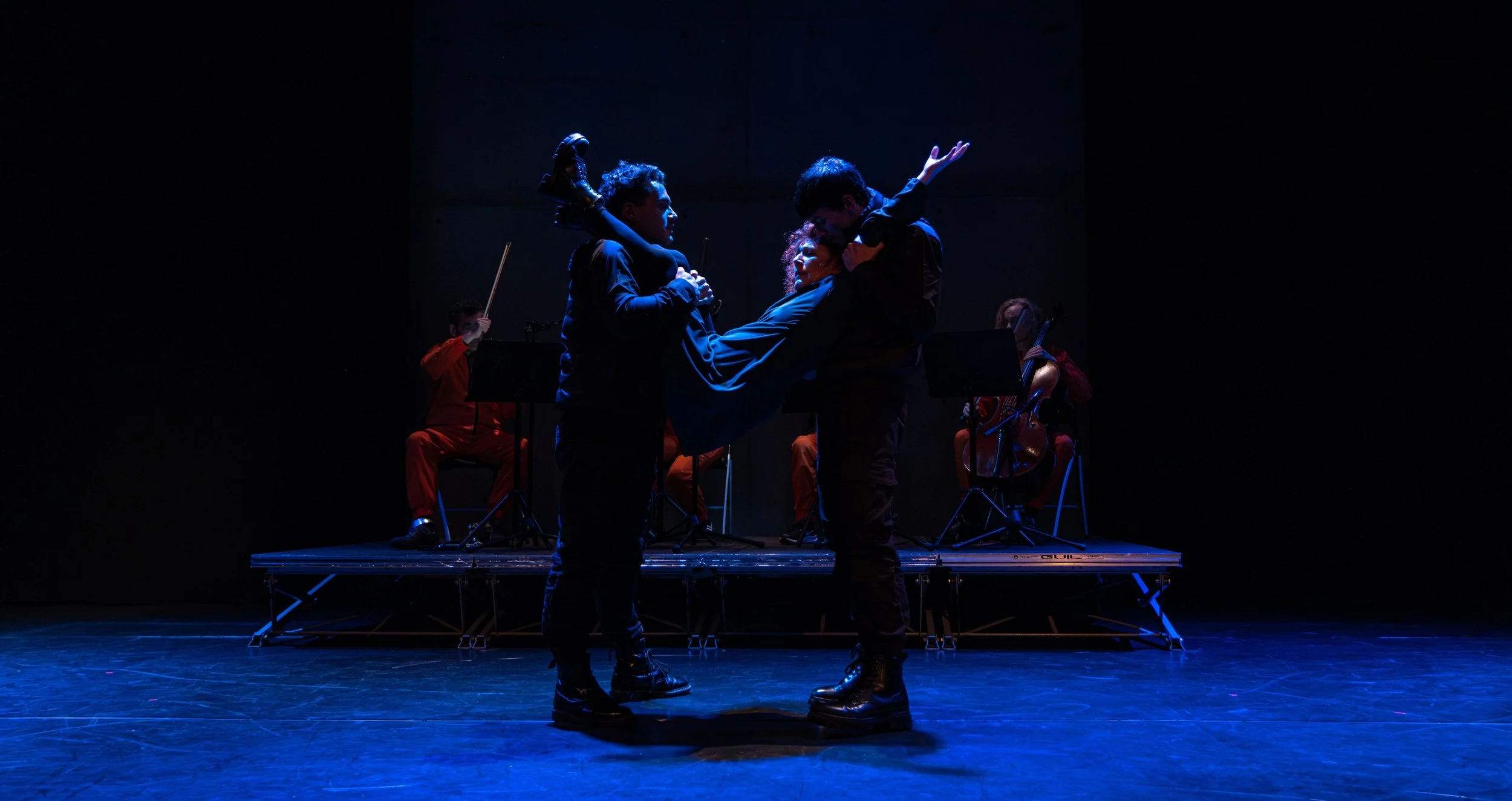
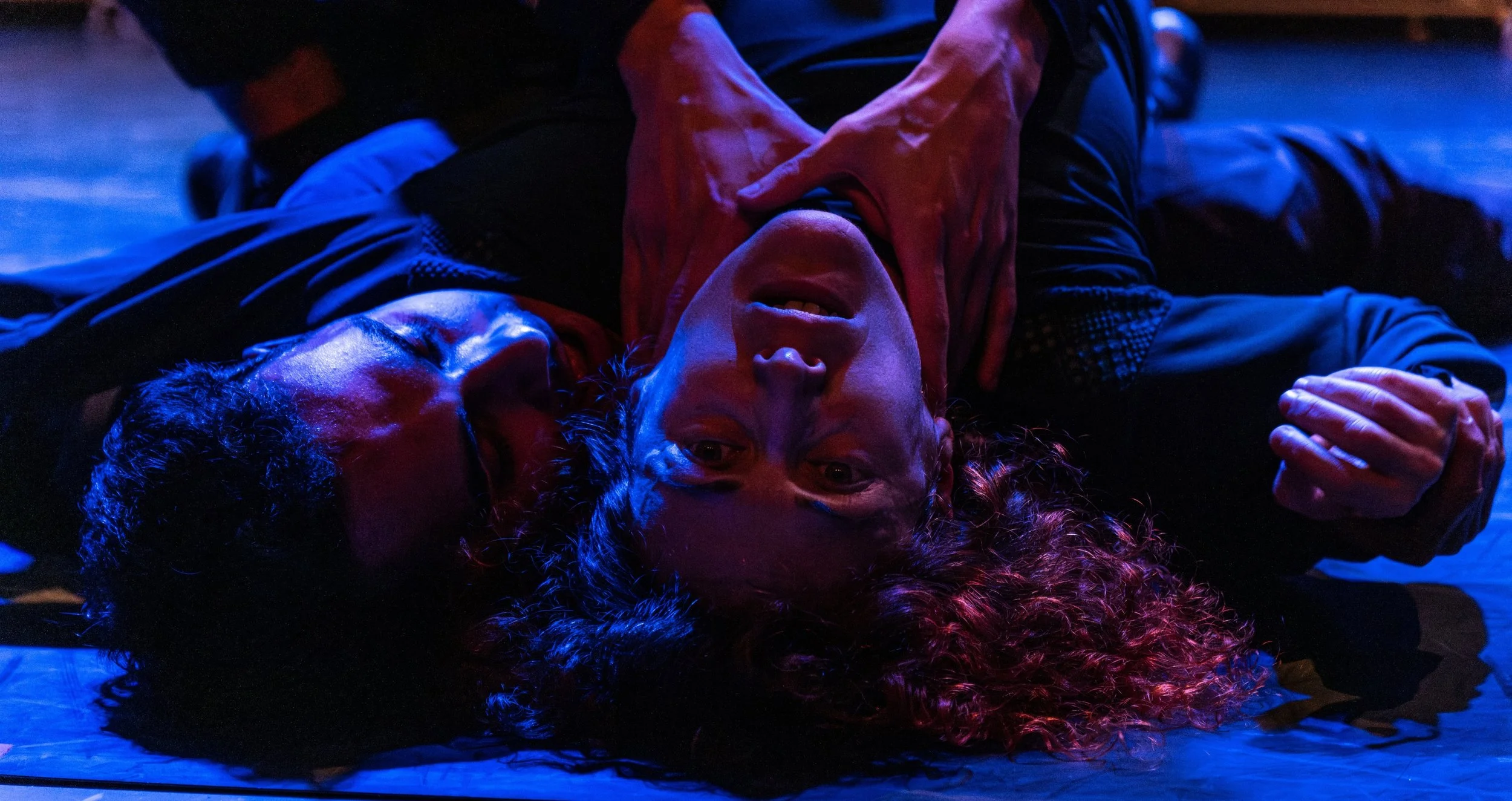
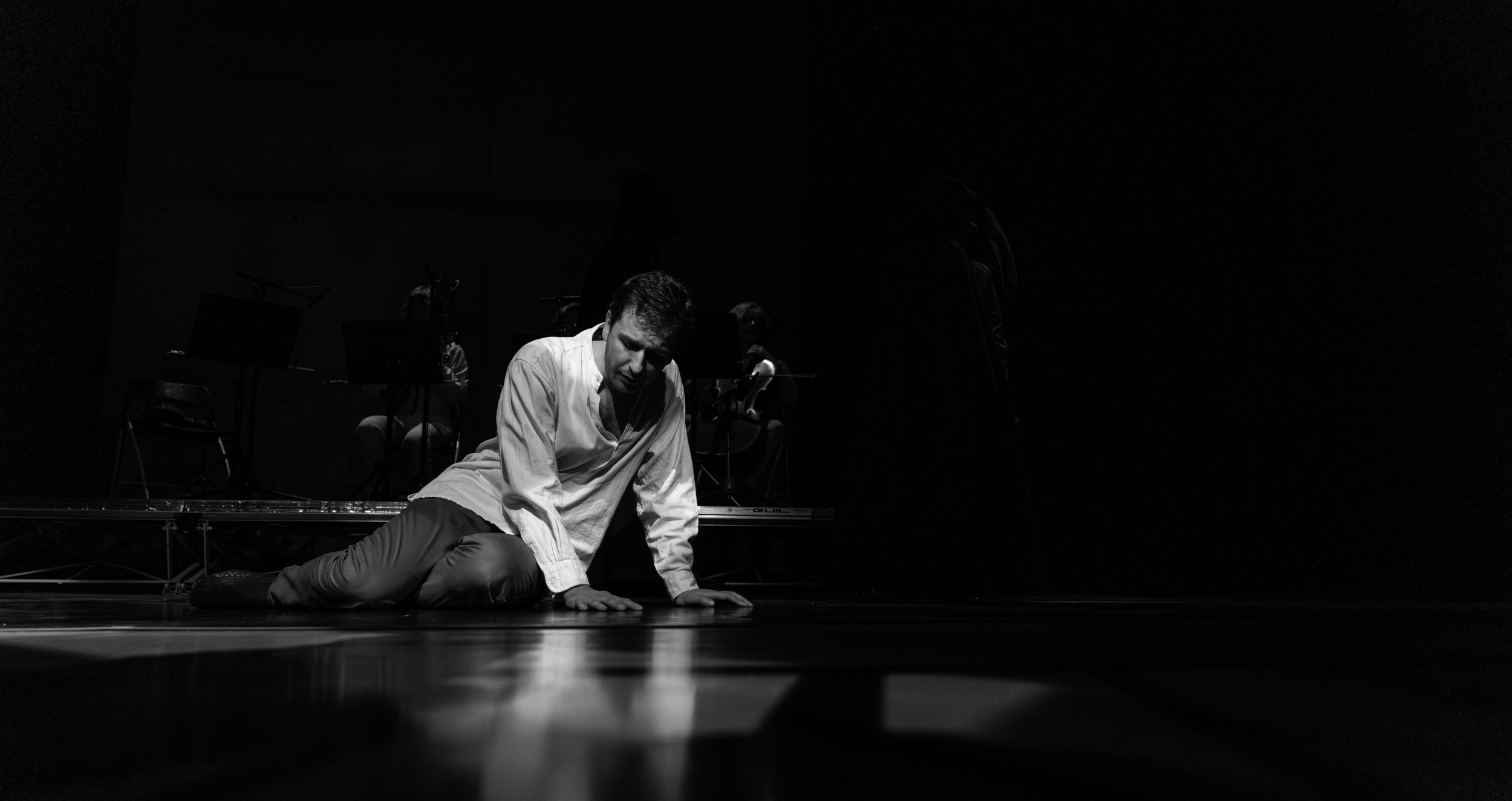
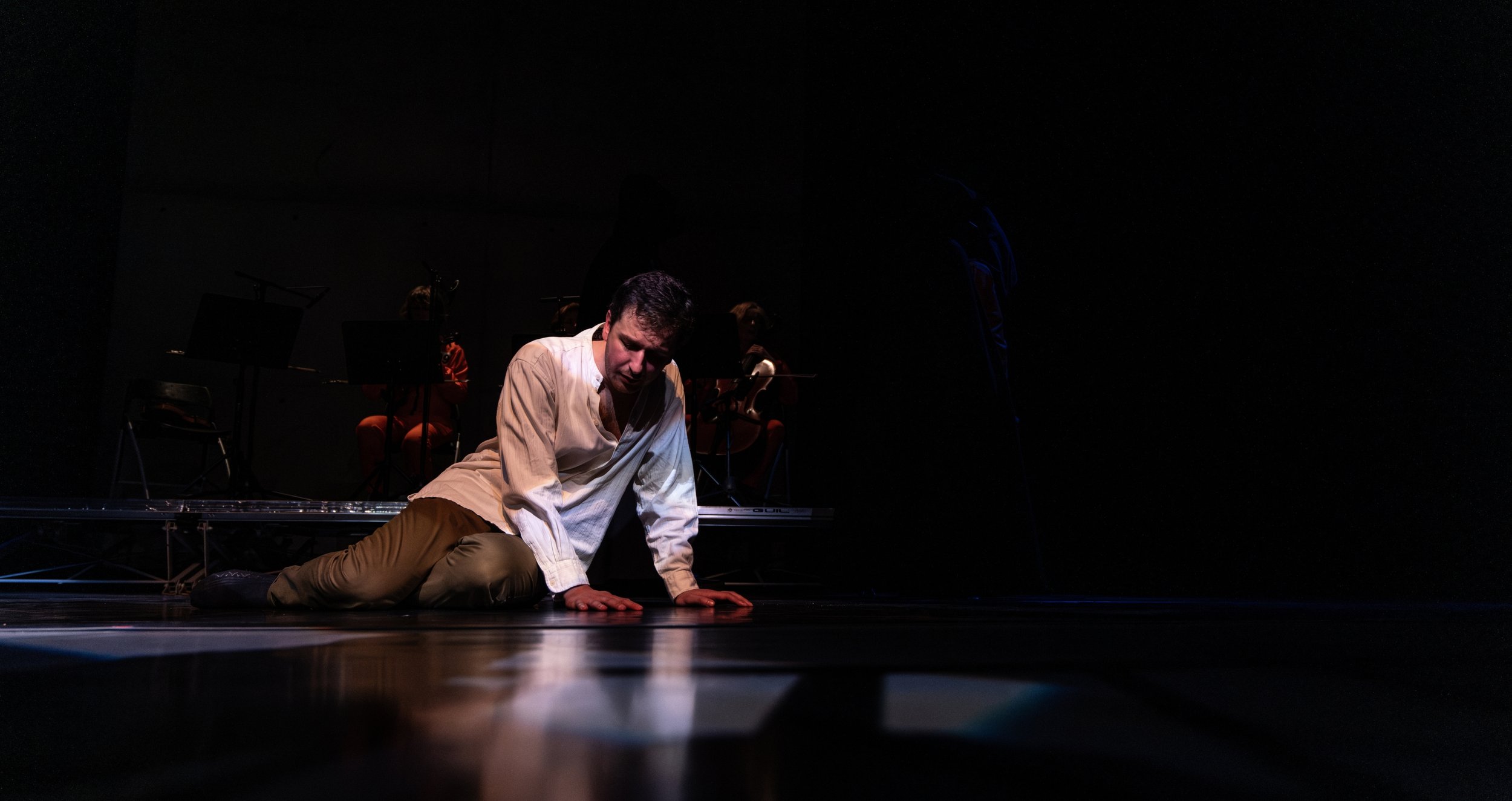
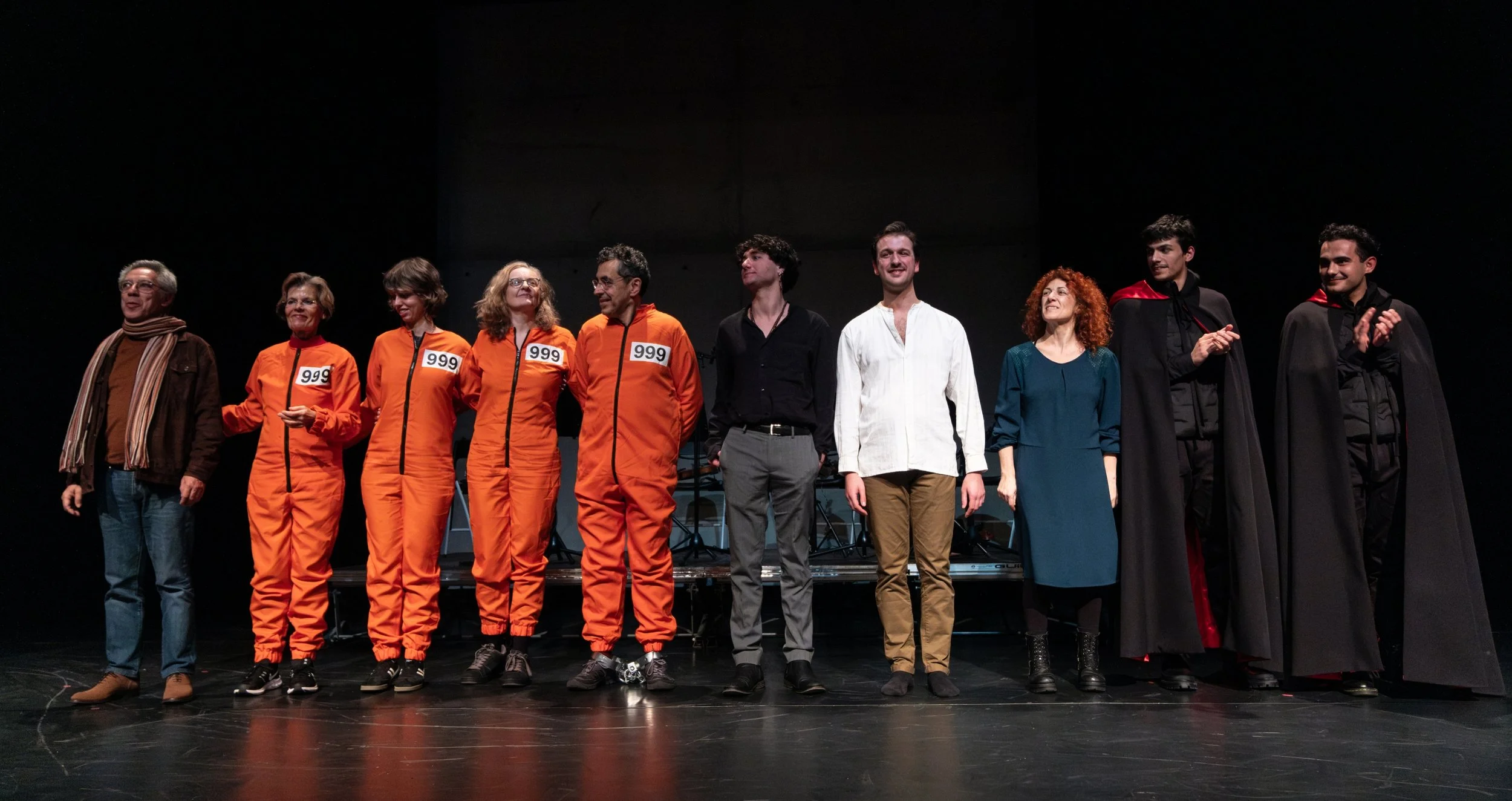
VIVOS ATÉ À MORTE is an operatic work for baritone, three dancers and string quartet, with music by João Ricardo and libretto comprised after the written records and accounts by Inquisition victims from Alenquer, compiled by Rosário Costa and organized by the composer. The work aims to explore one of humanity’s darkest episodes, by means of a surrealist and absurd, almost Kafkaesque, approach to the dualities oppressor and oppressed, reality and fantasy, severe and sarcastic, innocent and guilty. As an homage, the written records of the people and the details of their tragic events, some of the many that were unjustly indicted throughout the 16th and 17th centuries, were also appropriated as musical structures and materials in the various Chapters and subsections, and the crimes to which they were accused illustrate the thematic grounds of each of these Chapters.
Music materials were generated from their names, crimes, addresses, dates, jobs, among other details regarding each specific person. These were used and developed throughout the composition process, in specific moments regarding specific persons, and amidst statements and petitions by the victims such as “eu não disse que nossa senhora não é virgem” [“I didn’t say that the virgin mary isn’t a virgin”, “eu não sei porque estou presa” [“I don’t know why I’m a prisoner”] or “eu não tenho culpas por confessar” [“I don’t have any offences to confess”].
After a short Prologue, Chapter I deals with the crimes of heretic prepositions, blasphemies, and solicitation, revolving around the indicted Alexandre Ferreira, Francisca Josefa Falcoa, João de Santa Teresa and Jerónimo do Espírito Santo. In Chapter II, Constantina de Távora and Antónia Loba de Medanha are accused of witchcraft, superstition, pretense and deceit, and in Chapter III the “culprits” of Judaism are Margarida Gomes, Guiomar Rodrigues, Isabel Barbosa, Ana Fragosa, Maria Fragosa, Pêro Fragoso, Catarina Gomes, Maria Carneira, Diogo Carneiro and Isabel Cardoso.
Music materials were generated from their names, crimes, addresses, dates, jobs, among other details regarding each specific person. These were used and developed throughout the composition process, in specific moments regarding specific persons, and amidst statements and petitions by the victims such as “eu não disse que nossa senhora não é virgem” [“I didn’t say that the virgin mary isn’t a virgin”, “eu não sei porque estou presa” [“I don’t know why I’m a prisoner”] or “eu não tenho culpas por confessar” [“I don’t have any offences to confess”].
After a short Prologue, Chapter I deals with the crimes of heretic prepositions, blasphemies, and solicitation, revolving around the indicted Alexandre Ferreira, Francisca Josefa Falcoa, João de Santa Teresa and Jerónimo do Espírito Santo. In Chapter II, Constantina de Távora and Antónia Loba de Medanha are accused of witchcraft, superstition, pretense and deceit, and in Chapter III the “culprits” of Judaism are Margarida Gomes, Guiomar Rodrigues, Isabel Barbosa, Ana Fragosa, Maria Fragosa, Pêro Fragoso, Catarina Gomes, Maria Carneira, Diogo Carneiro and Isabel Cardoso.
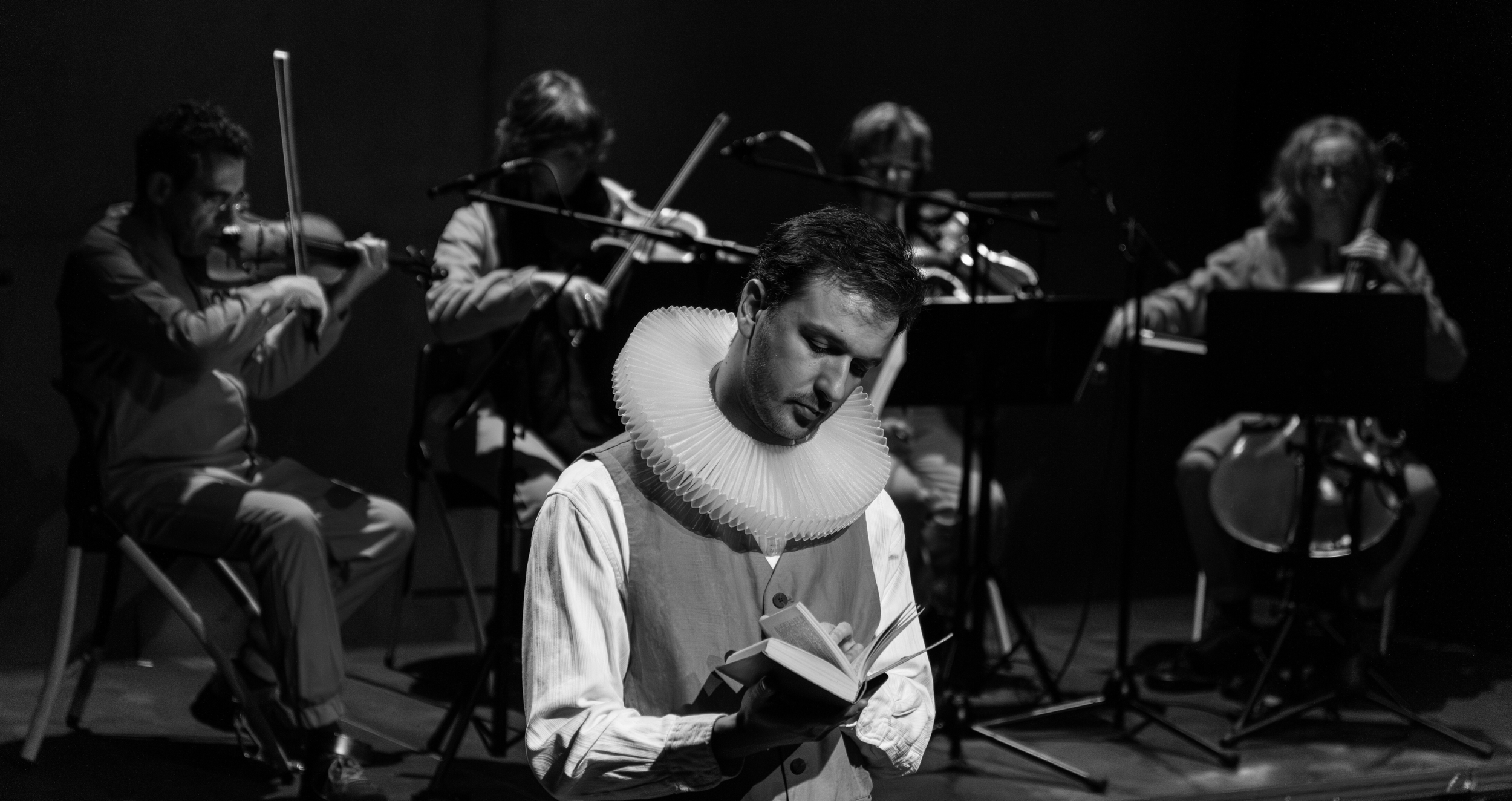
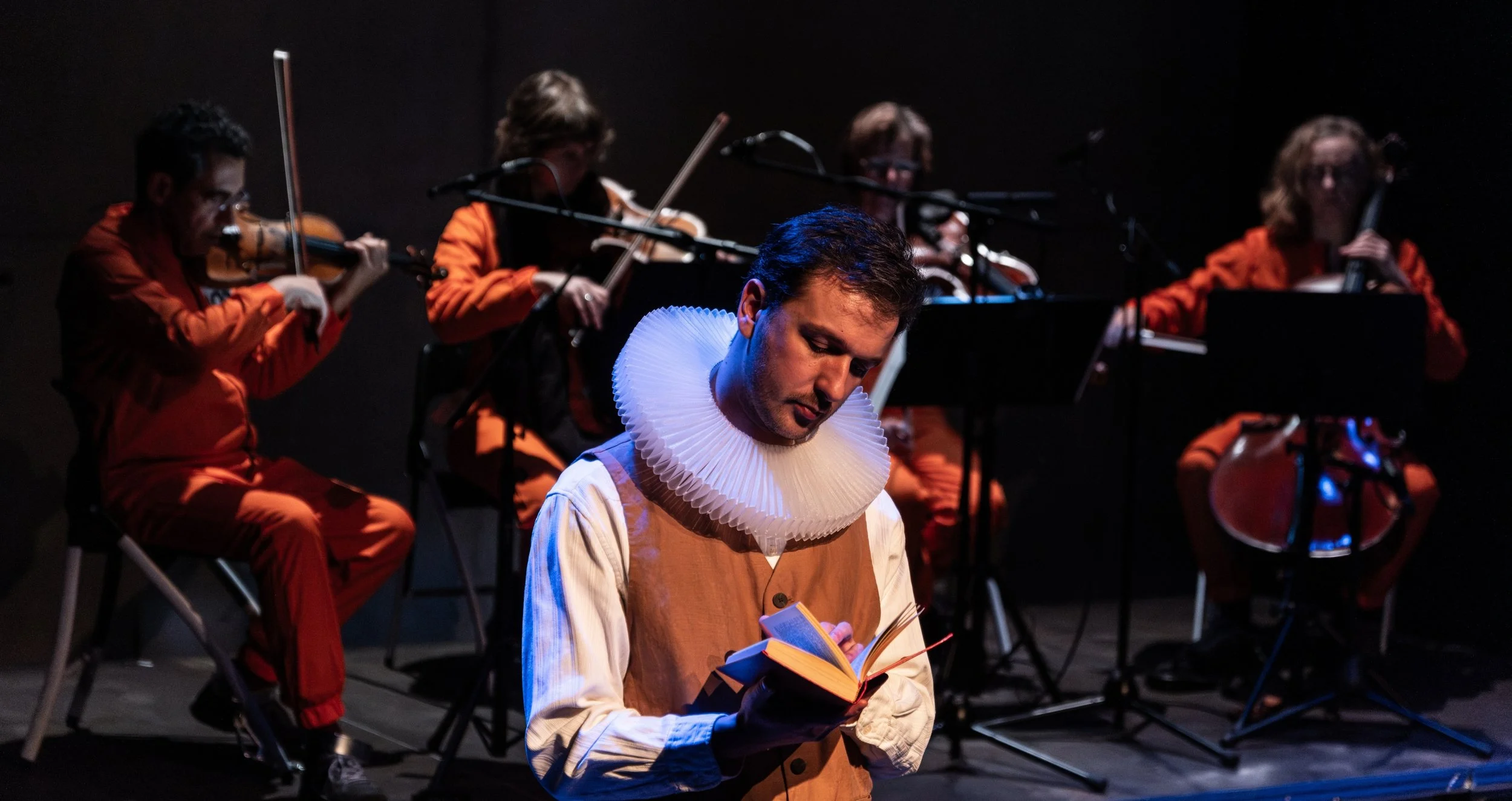
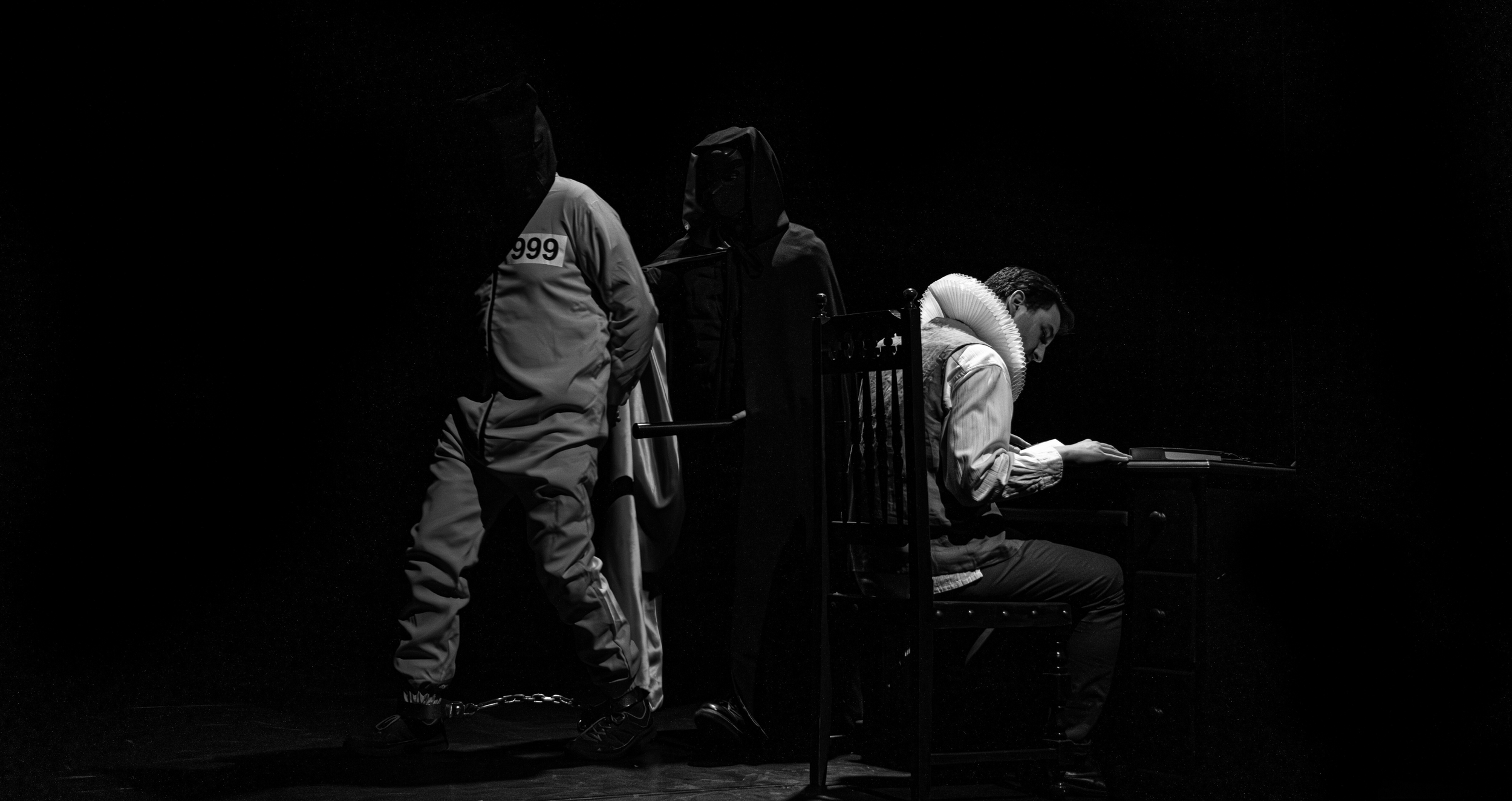




© ANDRÉ ROMA •
@ BIBLIOTECA DE MARVILA • 2024-01-21 •
@ BIBLIOTECA DE MARVILA • 2024-01-21 •