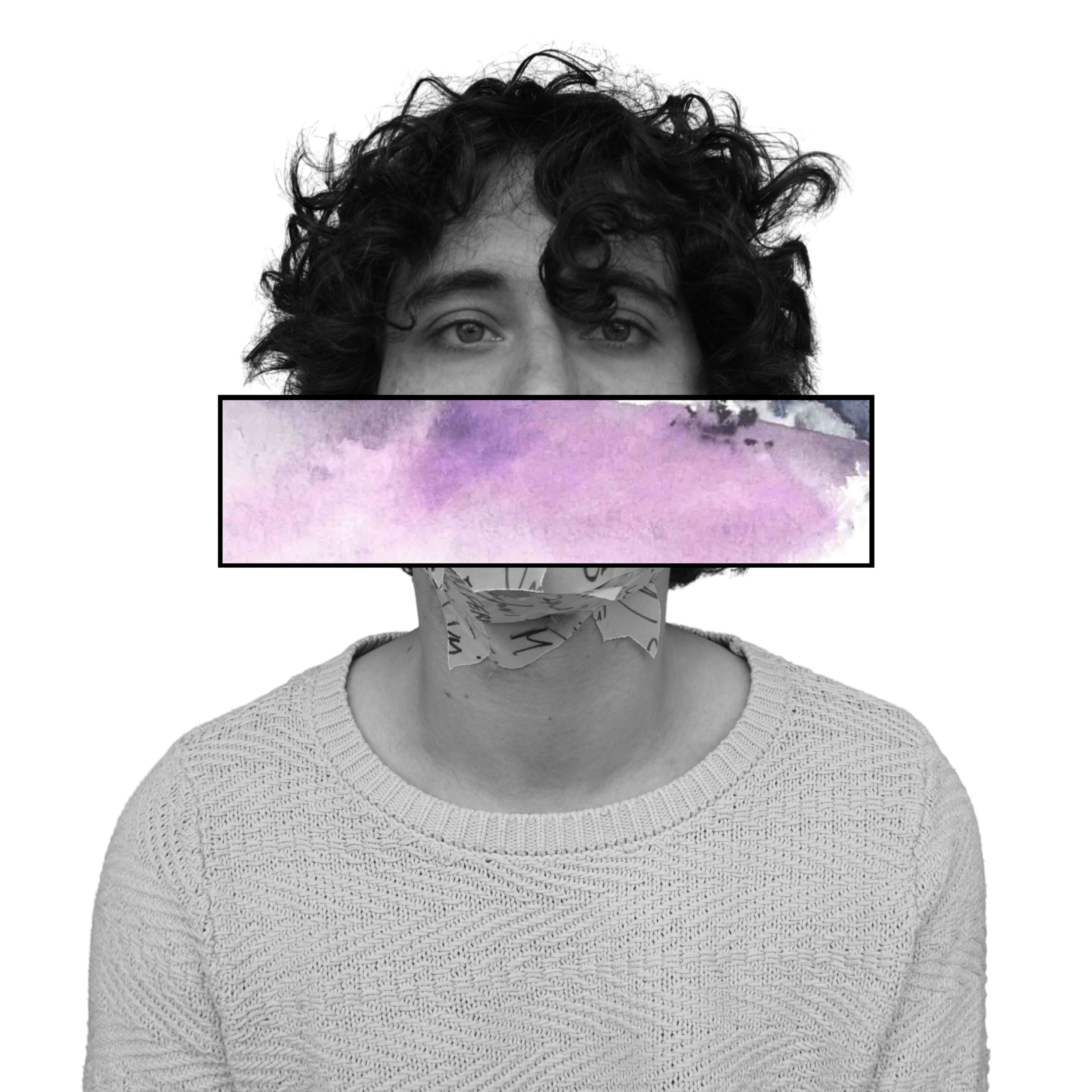
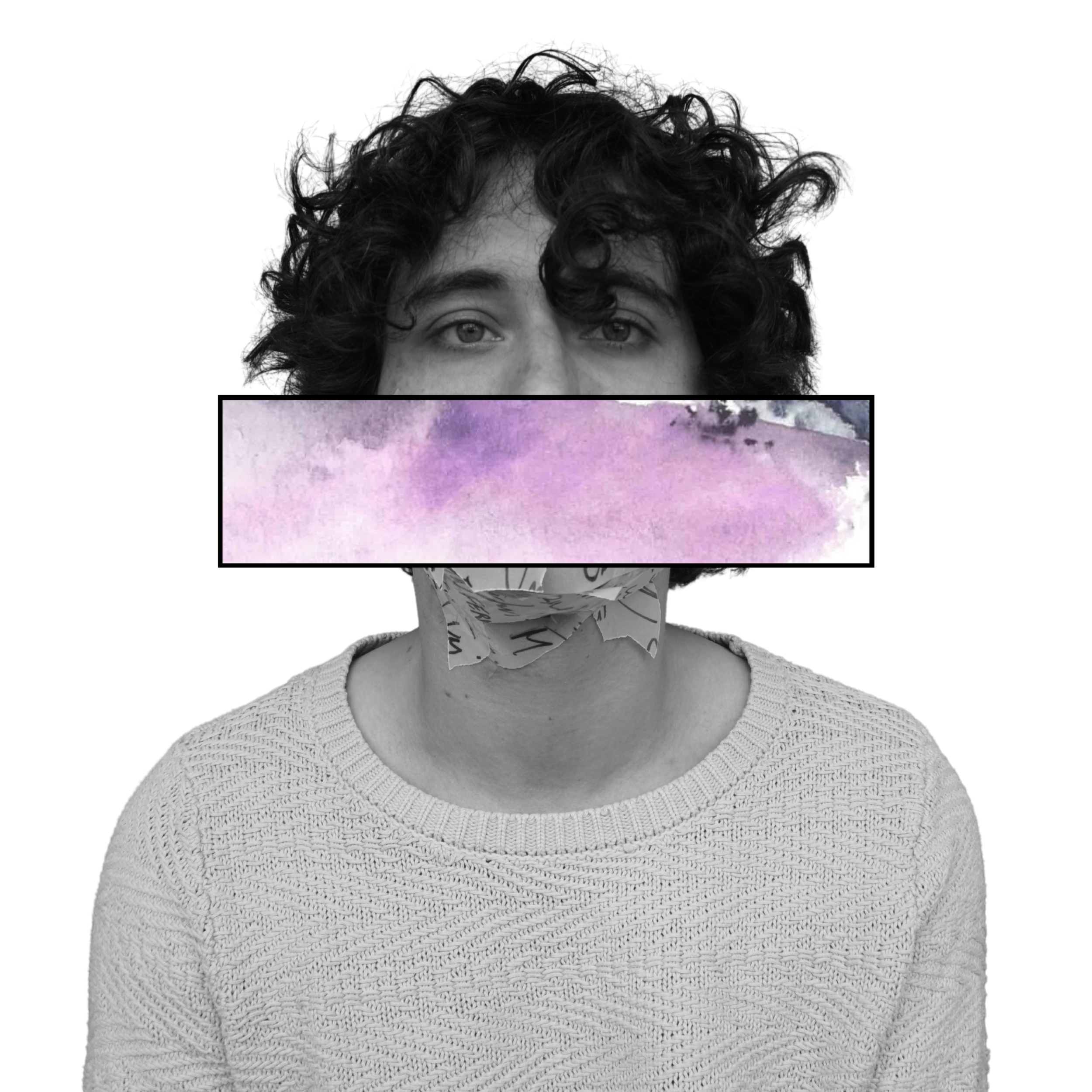
CHAMBER OPERA
c. 12 MINUTES
c. 12 MINUTES
premiere • 2019-01-25 @
PALÁCIO DO SOBRALINHO, VILA FRANCA DE XIRA/PT •
event • 1º LABORATÓRIO DE CRIAÇÃO DE ÓPERA CONTEMPORÂNEA, INESTÉTICA COMPANHIA TEATRAL •
text • AL BERTO •
soprano • INÊS SIMÕES •
baritone • RUI BAETA •
flute • DANIELA PINHEIRO •
bassoon • CATHERINE STOCKWELL •
viola • JOÃO CARLOS BARATA •
cello • SOFIA AZEVEDIO •
music director • LUÍS SOLDADO •
stage director • ALEXANDRE LYRA LEITE •
graphic design • RITA LEITE •
event • 1º LABORATÓRIO DE CRIAÇÃO DE ÓPERA CONTEMPORÂNEA, INESTÉTICA COMPANHIA TEATRAL •
text • AL BERTO •
soprano • INÊS SIMÕES •
baritone • RUI BAETA •
flute • DANIELA PINHEIRO •
bassoon • CATHERINE STOCKWELL •
viola • JOÃO CARLOS BARATA •
cello • SOFIA AZEVEDIO •
music director • LUÍS SOLDADO •
stage director • ALEXANDRE LYRA LEITE •
graphic design • RITA LEITE •
The composition methodology, explored and developed in my master’s final project in Musical Arts
(RICARDO, 2019), tests possible associations between textual components and musical elements; it can be regarded as a transcription of textual characteristics into musical parameters.
To this end, text is treated as raw data — according to individual characters and combinations of letters, syllables, words, or phrases — resulting in numerical sequences and pitch values, which are then used in the creation of motifs, chords, structures, etc. From these transcriptions arise series of musical notes, with specific pitches and durations, treated as the available musical material for the composer. This is not merely a direct transcription or encoding of text into music, but rather an exploration of how cryptographic processes can be applied artistically and creatively.
The libretto is based on the poem Notas para o Diário (“Notes for the Diary”) by Al Berto (2017, pp.39–40), and the cryptographic component was derived from fragments taken from the book As Flores do Mal by Fernando Pessoa. In each of the five scenes, a different textual fragment by Pessoa serves as the cryptographic basis:
• Scene I: “Morreu em mim mais do que o meu passado” (“More than my past has died within me”) (Pessoa, 2014, p.21);
• Scene II: “Absolutamente doido só por sentir, absolutamente roto por me roçar contra as coisas” (“Absolutely mad just for feeling, absolutely torn by brushing against things”) (Pessoa, 2014, p.45);
• Scene III: “Julga-te sempre mais triste e mais infeliz do que és” (“Always judge yourself sadder and unhappier than you are”) (Pessoa, 2014, p.61);
• Scene IV: “Dê-me de beber, que não tenho sede” (“Give me to drink, for I am not thirsty”) (Pessoa, 2014, p.85);
• Scene V: “Nunca fiz mais do que fumar a vida” (“I have never done more than smoke life”) (Pessoa, 2014, p.137).
To this end, text is treated as raw data — according to individual characters and combinations of letters, syllables, words, or phrases — resulting in numerical sequences and pitch values, which are then used in the creation of motifs, chords, structures, etc. From these transcriptions arise series of musical notes, with specific pitches and durations, treated as the available musical material for the composer. This is not merely a direct transcription or encoding of text into music, but rather an exploration of how cryptographic processes can be applied artistically and creatively.
The libretto is based on the poem Notas para o Diário (“Notes for the Diary”) by Al Berto (2017, pp.39–40), and the cryptographic component was derived from fragments taken from the book As Flores do Mal by Fernando Pessoa. In each of the five scenes, a different textual fragment by Pessoa serves as the cryptographic basis:
• Scene I: “Morreu em mim mais do que o meu passado” (“More than my past has died within me”) (Pessoa, 2014, p.21);
• Scene II: “Absolutamente doido só por sentir, absolutamente roto por me roçar contra as coisas” (“Absolutely mad just for feeling, absolutely torn by brushing against things”) (Pessoa, 2014, p.45);
• Scene III: “Julga-te sempre mais triste e mais infeliz do que és” (“Always judge yourself sadder and unhappier than you are”) (Pessoa, 2014, p.61);
• Scene IV: “Dê-me de beber, que não tenho sede” (“Give me to drink, for I am not thirsty”) (Pessoa, 2014, p.85);
• Scene V: “Nunca fiz mais do que fumar a vida” (“I have never done more than smoke life”) (Pessoa, 2014, p.137).


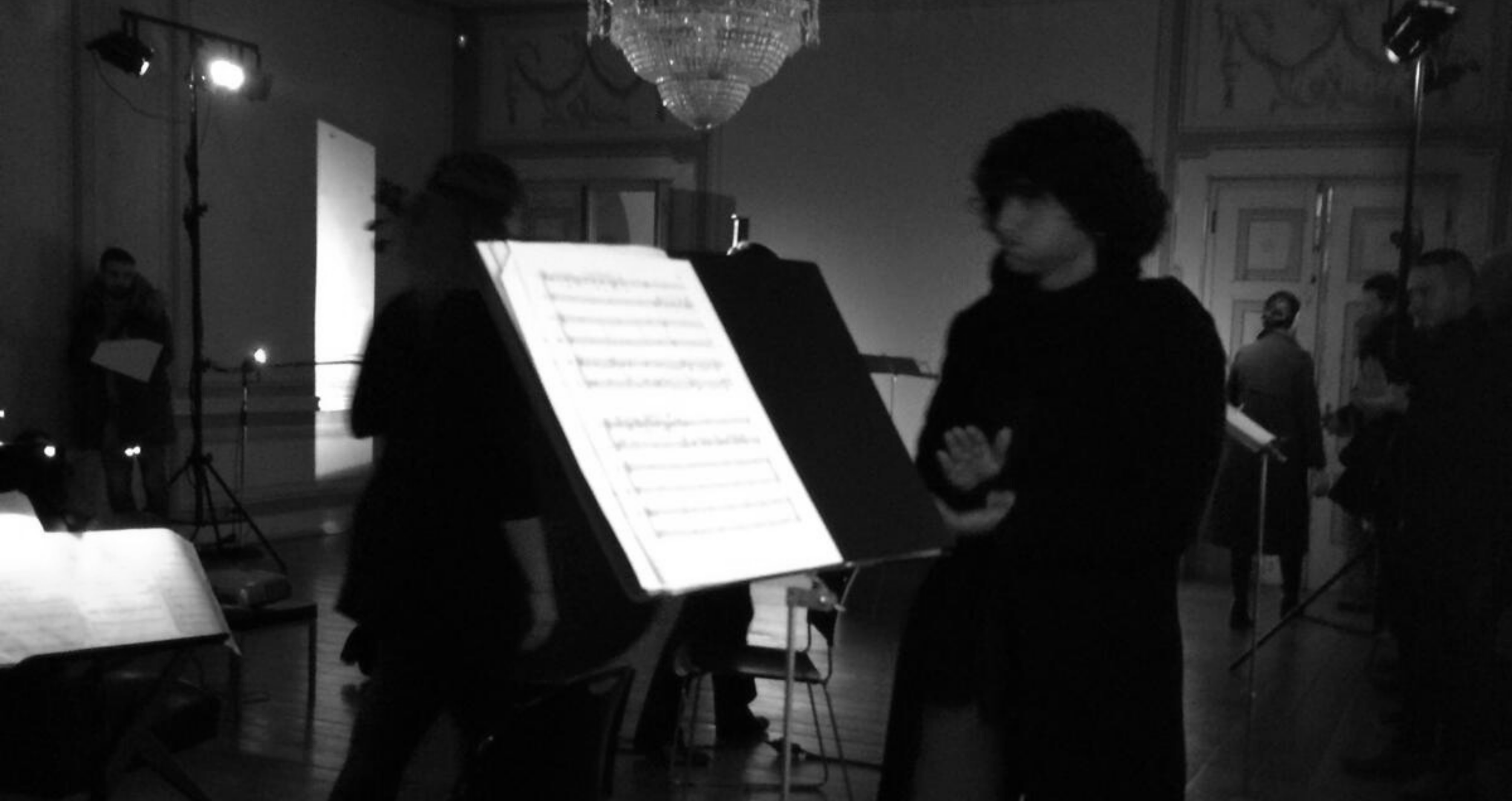

PALÁCIO DO SOBRALINHO
• 2019-01-25
• 2019-01-25